TechO(n) 2026
The Agentic Shift: From Code to Production and Beyond
September 30ᵗʰ 2026
Iasi, National Theatre
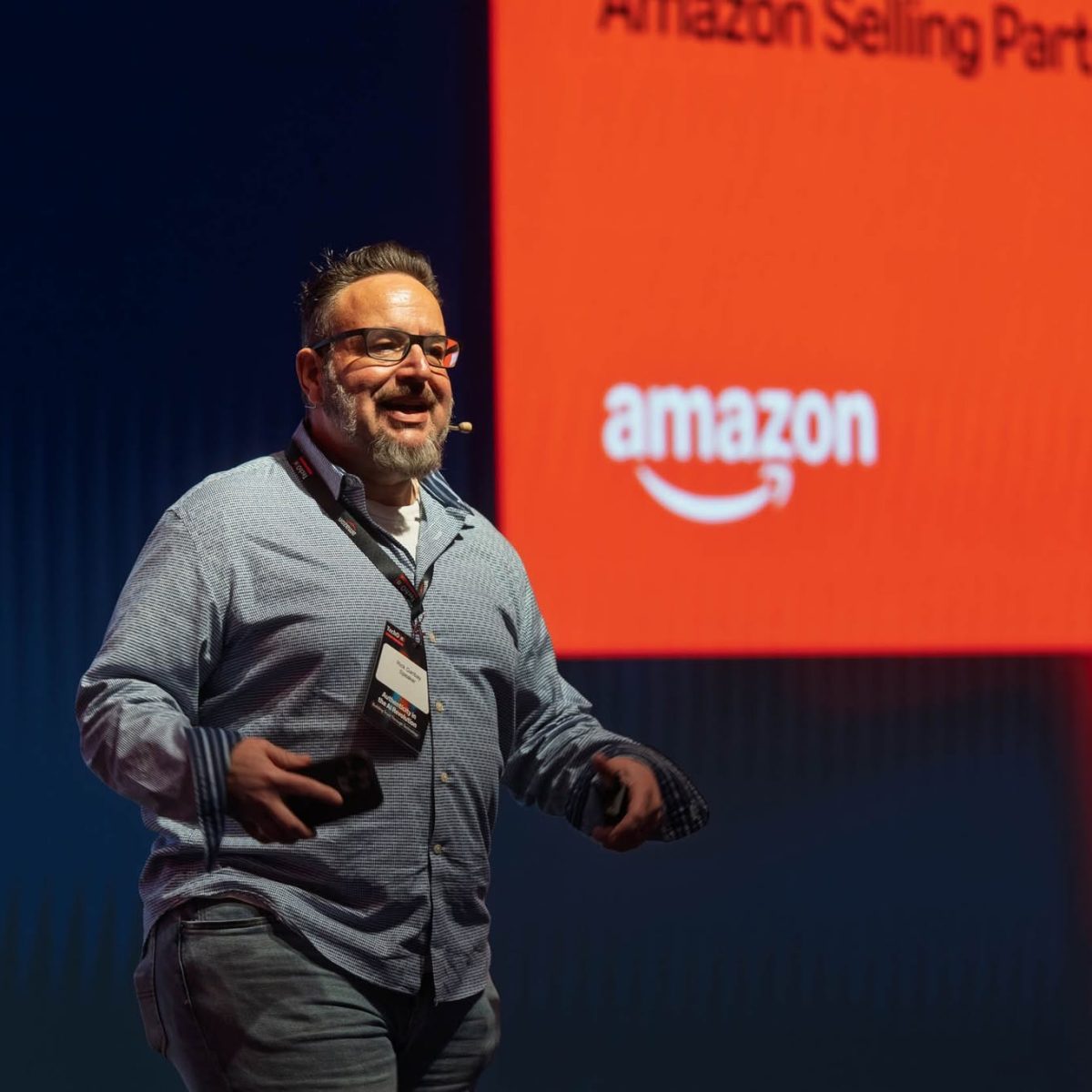
About TechO(n) Conference 2026
The Agentic Shift: From Code to Production and Beyond
As agentic AI systems move from demo to production, teams are building and shipping them in ways that drive real impact. But as these systems take on more autonomous roles, the question shifts from “can it work?” to “can we rely on it?”
TechO(n) 2026 explores what reliable agentic AI looks like in practice. Across the day, our speakers and sessions dig into the foundations that turn promising prototypes into production systems you can trust it to be secure: the architecture that makes agentic systems resilient, auditable, and built for Amazon scale; the evaluation methods that measure whether an agent does what it’s supposed to; the security rules or mechanisms that governates autonomous systems and the data and actions they touch; the compliance auditable mechanisms needed to be built within the regulatory and governance realities of the AgenticAI environments; and the human oversight that keeps people meaningfully in the loop as systems take on more autonomy.
TechO(n) is the Amazon Development Center Romania flagship conference. Celebrating 21 years in Romania this year, Amazon has grown into one of the country’s key technology hubs — home to engineers and builders working on systems that reach customers around the world. Through TechO(n), Amazon Romania invests in the local and regional technology community, creating a space where practitioners, academics, policymakers, and industry leaders come together to share what they’re learning and to shape where technology is heading.
Fourteen Years of TechO(n)
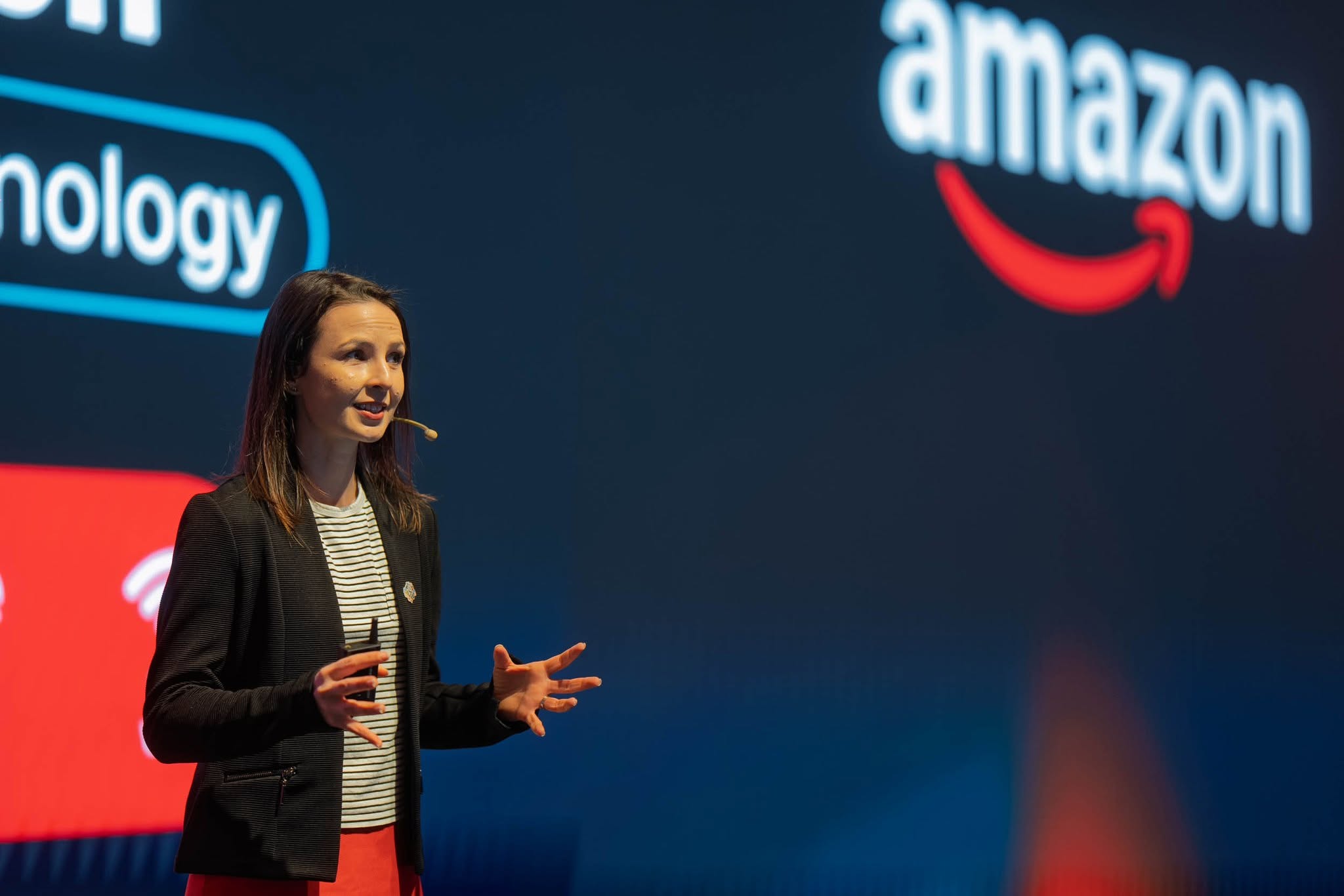
TechO(n) has deep roots in Iași. The first edition took place in 2012, right here in the city that has since grown into one of Romania’s most vibrant technology centers. From the earliest conversations about writing better code to today’s focus on shipping reliable agentic AI, TechO(n) Conference has always been about one thing: bringing people together to build what’s next.
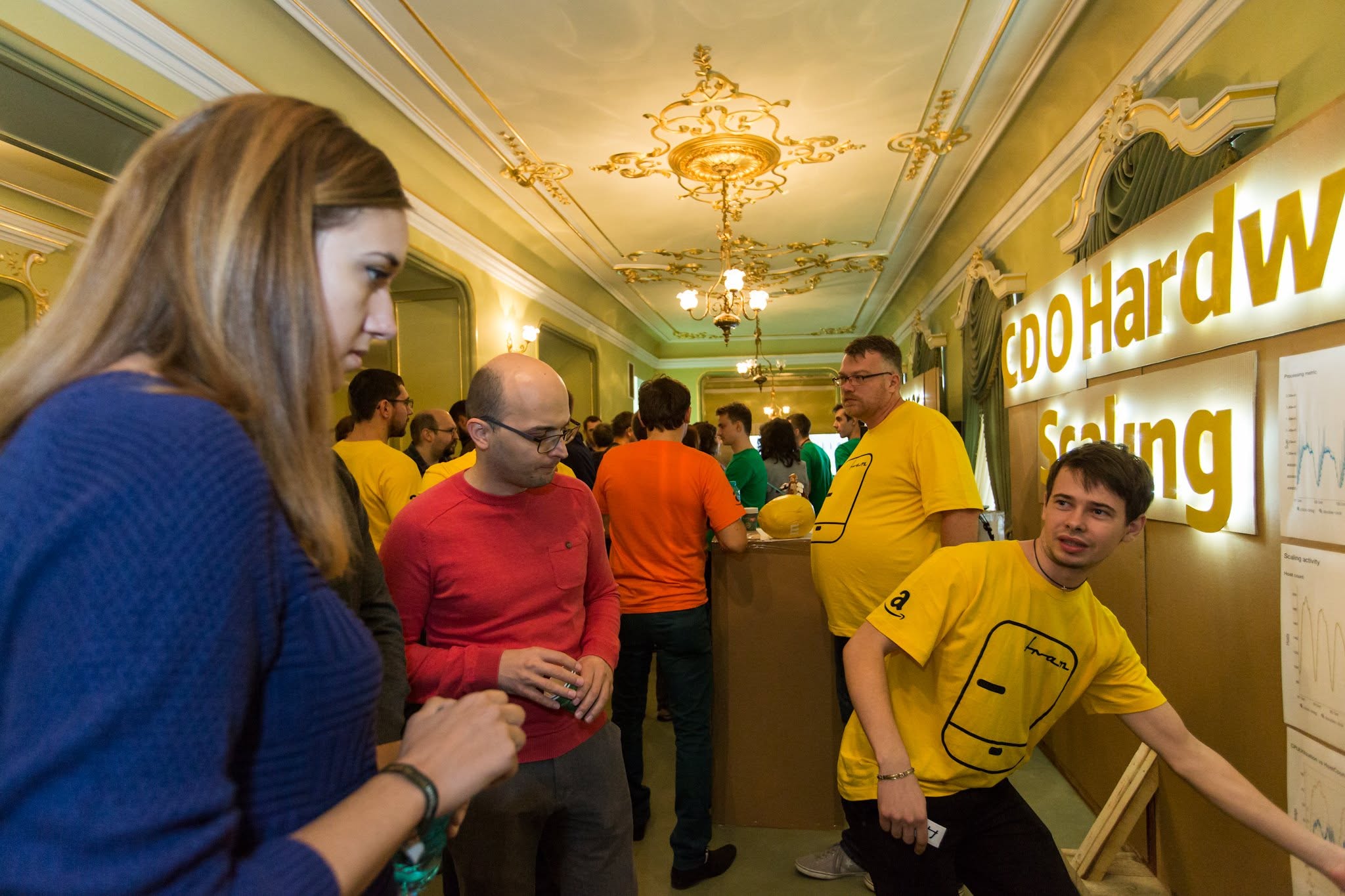
TechO(n) Amazon Expo Fair
Beyond the sessions, TechO(n) features the Amazon Expo Fair—an interactive expo area where innovation comes to life. Meet Amazon engineering teams, explore live demos, discover real-world technologies, and connect directly with the people building them.
Meet the voices of TechO(n)
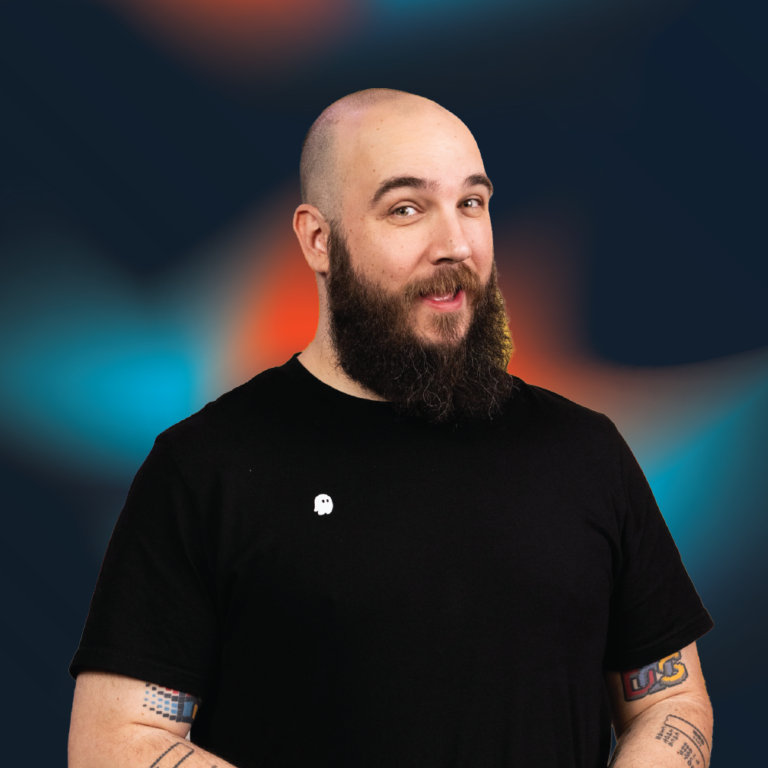
Darko Mesaros
Principal Developer Advocate, Amazon
Darko Mesaros is a Distinguished Developer Advocate with a passion for Rust, cloud technologies, and developer productivity. He spends his days building with AWS, creating practical developer tools, and exploring ways AI coding assistants can help engineers write better software, faster. His recent work focuses on AI agents, Model Context Protocol (MCP) servers, automation, and the evolving role of AI in modern software development. Darko brings technical depth, curiosity, and a healthy sense of humor to every stage.

Alexis Robinson
Principal Product Manager, Amazon
Alexis is a Principal Product Manager and an Adjunct Professor at two U.S. universities. With over 15 years of experience, she has led initiatives in cloud security, AI adoption, and product development, partnering with engineering leaders, policymakers, and security teams to build secure, scalable solutions. A recognized public speaker and advocate for women and inclusivity in tech, Alexis also co-hosts the Resilience by Design podcast. She is passionate about helping organizations adopt emerging technologies responsibly.

Brian Lozada
Director Security GME, Amazon
Brian Lozada is a Director of Security at Amazon, where he leads security for Amazon’s Global Media, Entertainment, and Advertising businesses which include Prime Video, Amazon MGM Studios, MGM+, Audible, Amazon Games, Amazon Music, and Amazon Ads. He holds a Bachelor of Science in Information Security and a Master of Science and Homeland Security from Monmouth University. He also holds a Master of Business Administration from Villanova University in Pennsylvania and is a certified CISSP.
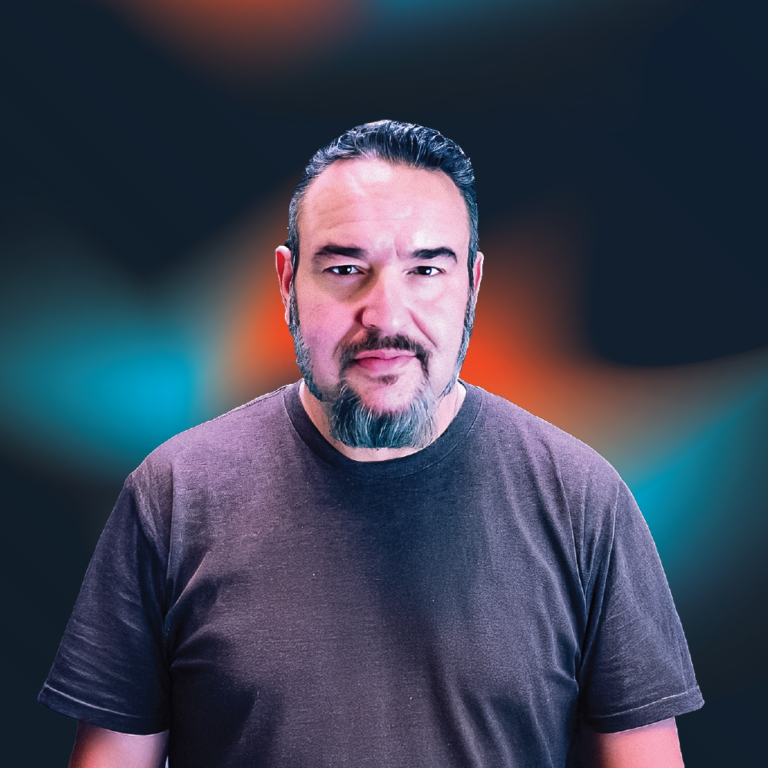
Rick Garibay
Sr. Principal Software Engineer, Amazon
Rick Garibay is a Senior Principal Engineer at Amazon, leading AI-first transformation and automation across finance operations, including Accounts Payable, Procurement, and Real Estate. With over 11 years at Amazon, he has driven large-scale architectural initiatives focused on simplification, scalability, and engineering excellence.

Adrian Iftene
Professor at the Faculty of Computer Science
Prof. Adrian Iftene, PhD, is Vice-Rector for Digitalisation at Alexandru Ioan Cuza University of Iași and a former Dean of the Faculty of Computer Science. An experienced researcher, he specializes in Artificial Intelligence, NLP, Mixed Reality, and digital transformation, contributing to national and international research projects.

Chrysa Mavraki
Sr. TPM, Amazon
Chrysa leads a team focused on agentic AI monitoring: detecting when AI agents operating across Amazon behave in unexpected, unsafe, or unauthorized ways and builds the detection systems that surface risky agent behavior before it causes harm, work that combines security, AI, and large-scale systems.
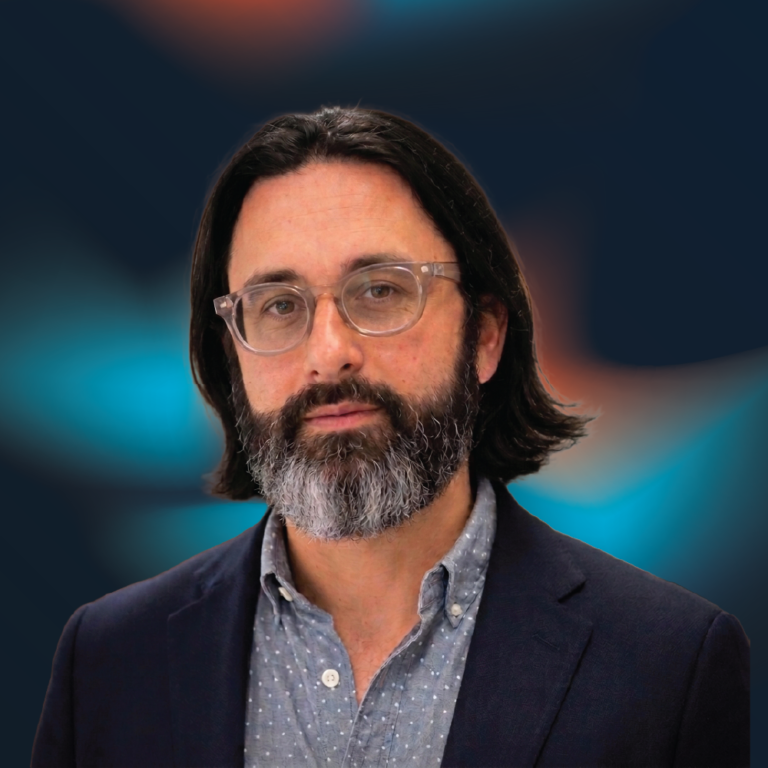
Rush Carskadden
Director of Security Engineering, Amazon
Rush Carskadden leads a team building the next generation of security automation using AI. Previously, he led application security, penetration testing, cloud and platform security, and various other security teams at Amazon. Prior to Amazon, Rush spent decades building security products and services at various very small and very large companies. He loves his family, his dogs, and his favorite cast iron pan, and enjoys exploring new technologies.

Sarah Davenport
Sr. Manager, SDO AppSec, Amazon
Sarah Davenport (AKA @threatsy) leads AppSec and Pentest at Amazon Stores. A former intelligence community professional, she specializes in security leadership, risk, and decision-making in high-stakes environments. Sarah builds high-performing teams grounded in trust, high standards, and direct feedback. She holds degrees in International Affairs, Physics, Cybersecurity, and Countering Weapons of Mass Destruction, and is the author of several publications.

Vlad Condurat
System Development Engineer, Amazon
Vlad combines expertise in AI, DevOps, and cloud infrastructure with an active presence in the tech community. His work focuses on building and improving scalable systems while exploring how emerging technologies can solve real-world engineering challenges. Whether mentoring at hackathons, contributing to conferences, or speaking in front of a crowd, Vlad values open conversations that turn experience into shared learning and practical insights.

Nathan Mousselli
Director of Security Engineering, Amazon
Nathan Mousselli is Director of Security Engineering at Amazon, leading the global Security Incident Response, Threat Detection, and Threat Hunting organization. His teams are pioneering agent-driven approaches to detection and response, reducing alert overload and accelerating investigations. Nathan brings 20+ years of experience across Amazon, cybersecurity consulting, and U.S. federal service.

Dumitru Pascu
Solutions Architect, Amazon
Dumitru Pascu is an AWS Solutions Architect with 20+ years of experience in technical leadership and solution architecture across telecom, retail, pharma, e-commerce, insurance, and banking. A fast adopter of new technologies, Dumitru focuses on keeping solutions simple, clean, and scalable. He enjoys getting hands-on with emerging technologies and helping teams optimize how they build and operate systems.
Agenda
09:00 – 09:20
Registration & coffee
09:20 – 09:30
Welcome & opening remarks – Alexis Robinson and Vlad Condurat
09:30 – 10:00
Infrastructure as Code: From Spec to Secure Deployment, by Dumitru Pascu
What if you could describe your infrastructure requirements in plain language and get production-grade IaC as output? In this session, we’ll walk through a modern development workflow for Infrastructure as Code — from writing structured specifications, through AI-assisted code generation (Terraform/CDK), to validating security posture and troubleshooting operational issues. Live demos of Spec-Driven Development, static security scanning with Automated Security Helper, dynamic threat modelling with AWS Security Agent, and AI-assisted root cause analysis with AWS DevOps Agent.
10:00 – 10:35
Panel – How safe are AGENTS?
10:35 – 10:55
Coffee Break
10:55 – 11:30
EU AI Act: What Builders Need to Know Now, by Adrian Iftene
The EU AI Act is reshaping how AI systems are designed, developed, and deployed across Europe. This session provides a practical overview of the regulation from the perspective of AI developers, researchers, startups, and technology organizations. Participants will learn how the Act classifies AI systems by risk, what compliance obligations apply, and how to integrate legal and ethical requirements into the AI development lifecycle while continuing to innovate responsibly.
11:30 – 12:05
Guardrails, Not Gates: Scaling Security for Autonomous Development, by Brian Lozada
As AI agents become active participants in the software development lifecycle, security must evolve from reviewing code to enabling autonomous development safely at scale. This presentation will explore how security organizations can embed security directly into software development workflows through secure-by-default patterns, and continuous validation, that allows developers to move faster without increasing risk.
12:05 – 13:05
Lunch Break
13:05 – 13:40
The New Two-Pizza Team: Principles and Practices for Scaling AI Native Delivery at Day 1 Speed, by Rick Garibay
The two-pizza team has been an organizing primitive for two decades, sized around what a small group of people could own and ship, and AI-native delivery challenges every assumption underneath it: how large a team needs to be, how work gets decomposed, who decides what and when, and how much of our process we actually still need. This talk presents the principles, patterns and practices behind a new mode of work, built from several forward deployed experiments proving time and time again that small (3 to 5) cross-functional teams organized around outcomes, given AI-native tooling, co-located execution and cleared calendars, can deliver at a fundamentally different velocity. Rick spends real time on the engineering craft that makes it work: decomposing the problem into subsystems behind hardened interfaces, integrating with tracer bullets instead of a big bang, and applying determinism for known transforms rather than handing planning to a model just because you can. He walks the anatomy of a typical week in the life of one of these teams and is candid that this operating model isn’t the end state, but it is the clearest evidence we have of what the team of the future looks like. He closes on what reliably fails, including scope creep as the number one killer, and why brownfield systems are both the hardest and the highest-value place to apply these patterns.
13:40 – 14:10
Who’s watching the agents? Zero effort security, by Chrysa Mavraki
This talk shows how we centralize agentic activity into standardized logging, build security detections over it and what they can identify, and then shift left from detecting problems to preventing them in the loop. You will leave knowing how agent activity is captured, monitored, and guarded and how this is done with low effort from builders.
14:10 – 14:45
Autonomous Application Security: Building a Sustainable Security Model for the AI Era, by Rush Carskadden
The convergence of AI-accelerated development, faster vulnerability discovery, and near-instant exploitation by adversaries means that application security can no longer be a point-in-time review — it must be a continuously evolving capability. In this session, Rush Carskadden, Director of Application Security at Amazon, explains how Amazon rebuilt its application security program as a sustainable, self-improving system: a pipeline of specialized AI agents that scan, validate, remediate, and prevent vulnerabilities — and critically, learn from every interaction to get better each day. Attendees will learn why the old model of manual security review is permanently broken, how Amazon designed feedback loops and learning architectures that make the system smarter with every confirmed finding and every developer response, and why organizations must treat security automation not as a one-time deployment but as a living capability that evolves alongside the threat landscape and AI itself. The session closes with practical principles any security team can apply to build durable, continuously improving defenses at scale.
14:45 – 15:30
Panel – Bridging Industry and Academia
15:30 – 15:50
Coffee Break
15:50 – 16:25
Congratulations, You’re The Kill Switch: How To Be The Adult In The Room When Security Gets Hard, by Sarah Davenport
Modern technology is automated, scalable, and AI-powered. Accountability is not.
In today’s tech organizations, speed has been optimized, but responsibility has been quietly concentrated. Someone still has to slow things down, ask the uncomfortable questions, and say no when the risk is real. Every high-speed tech organization has a secret safety mechanism: a person everyone trusts to stop things before they go catastrophically wrong. That person is often under-recognized, over-relied-upon, and running on fumes.
Drawing from experience on the front lines of AppSec at massive scale, this keynote blends humor, systems thinking, and practical expertise to explore how risk, trust, and responsibility flow in tech organizations. We’ll name the invisible technical and emotional labor holding these systems together, talk candidly about why certain people end up holding the line (and why organizations let them), and how to build security systems where responsibility is explicit, shared, and survivable. Because burnout is not a security control.
16:25 – 17:00
AI Won’t Replace Your Responders — But It Will Change How They Work, by Nathan Mouselli
AI won’t replace highly skilled incident responders, threat detection engineers, and threat hunters, but it will fundamentally change how they work. Drawing on Amazon’s global incident response, threat detection, and threat hunting operations, Nathan Mousselli shares where AI and autonomous agents deliver real leverage cutting through alert overload, correlating scattered evidence across cloud, host, and identity, and accelerating investigations. Most importantly, where deep human expertise and judgment remain irreplaceable. This is a practical, field-tested look at building reliable agents, taking them to production, and scaling defense at machine speed without losing the skilled people at its core.
17:05 – 17:50
I Don’t Trust AI Agents (And Neither Should You): Building Production-Ready Architectures, by Darko Mesaros
Your AI agent works great in the demo. Then you deploy it and it hallucinates a refund policy, exposes customer data, or just loops endlessly burning tokens. This session walks through a layered approach to agent safety using tools like Amazon Bedrock AgentCore and the Strands Agents SDK: guardrails, observability, multi-agent safety patterns, and reference architectures you can adapt immediately.
17:50 – 18:00
Closing remarks & thank-you – Alexis Robinson and Vlad Condurat
Designed by